

R&D Tax Credits for Marine & Aviation Companies
Chart new courses by rewarding your innovation efforts, claiming potentially thousands in R&D Tax Relief.
Claiming Tax Credits for Marine, Offshore & Aerospace Engineering R&D
The UK Marine & Aviation sector is a key driver of global trade and connectivity, continually adapting to new technologies, environmental pressures, and strict regulatory standards. From decarbonisation and alternative fuels to advanced safety systems and digital innovation, businesses face complex challenges but also opportunities to deliver cutting-edge solutions.
R&D Tax Credits can provide valuable funding by reducing tax liabilities or delivering cash injections. Projects involving technological advancements in areas such as propulsion, aerodynamics, materials, navigation systems, subsea engineering, and offshore structures may qualify where companies are attempting to overcome technical uncertainty.
Recent changes to the R&D Tax Credit scheme have also impacted how claims are assessed across engineering sectors. You can explore how R&D Tax Credits work in more detail in our guide to R&D Tax Credits.

Which activities qualify for R&D Tax Credits in Marine, Offshore & Aerospace Engineering?
Companies operating across marine, offshore, and aerospace engineering may qualify for R&D Tax Relief when addressing technological uncertainty or developing new capabilities.
Examples of qualifying projects include:

Developing new or improved propulsion or engine systems
Designing advanced aerodynamics or hydrodynamics for improved efficiency
Enhancing safety, control, or navigation systems
Prototyping and trialling innovative vessel or aircraft designs
Researching and testing alternative fuels or decarbonisation methods
Creating lightweight, durable, or corrosion-resistant materials
Developing digital tools, automation, or smart monitoring technologies
Improving manufacturing, maintenance, or repair processes
Projects like these can support subsea R&D Tax Credit claims, offshore engineering innovation, and aerospace R&D projects eligible for tax relief. Find out more about whether your activities qualify for R&D Tax Credits.
You can also see how innovation in offshore engineering can qualify by exploring our case study on an offshore substructures manufacturer.
Marine businesses developing cleaner propulsion, low-carbon technologies or other innovative solutions may also find opportunities through Horizon Europe funding.
Did you know?
Under HMRC rules, your business does not need to succeed to qualify. If you have attempted to overcome technical uncertainty through propulsion systems, aerodynamics, materials, or navigation technologies, you could be eligible for R&D Tax Credits.
Many businesses involved in offshore structures, subsea engineering, and aerospace development successfully claim R&D Tax Relief even when projects do not reach a final commercial outcome.

-
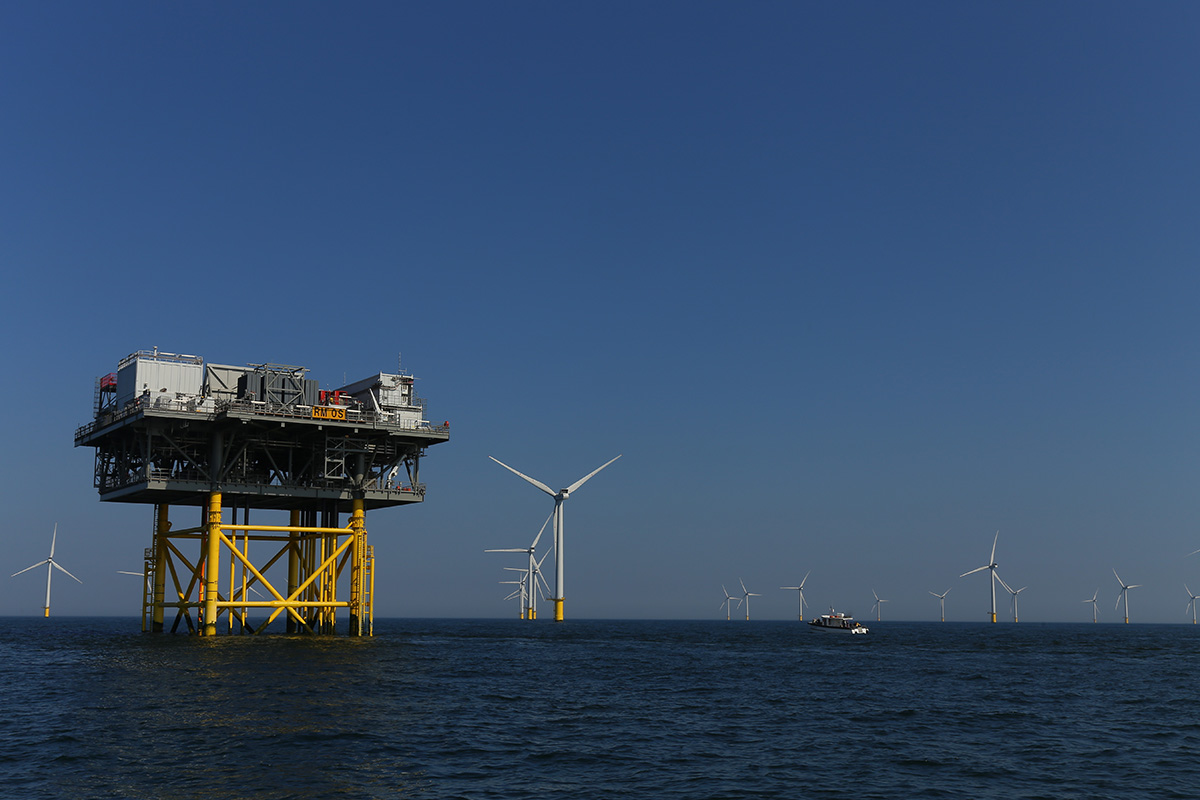 Read more: Offshore Substructures Manufacturer
Offshore Substructures Manufacturer
A manufacturing company specialising in offshore substructures has secured R&D tax credits totalling a figure above industry average with support from randd. Since its incorporation, the business has focused on developing and manufacturing products for the installation and foundations of…

“A significant number of marine and aviation companies are successfully claiming R&D Tax Credits for tackling complex technical challenges, from alternative fuels and advanced propulsion to lightweight materials and smart monitoring systems.
Many are surprised by just how much of their innovation qualifies.”
Adam Bointon,
Technical Director, randd UK
Client success stories in the Marine sector
-
Case study
Offshore Substructures Manufacturer
Read more: Offshore Substructures ManufacturerA manufacturing company specialising in offshore substructures has secured R&D tax credits totalling a figure above industry average with support from randd. Since its incorporation,…
-

Case study
Aviation IT Systems Provider
Read more: Aviation IT Systems ProviderOver six years, this aviation IT systems provider based in Essex has benefited from R&D tax credits totalling a well above industry average figure, following…
-

Case study
Engineering Firm R&D Tax Case Study
Read more: Engineering Firm R&D Tax Case StudyThis engineering firm develops advanced aerospace solutions, including UAV rotary engine and wing technologies for global defence and civilian markets. As an engineering firm operating…
Claiming R&D Tax Credits for Marine and Aerospace Projects
Discover how much your company could reclaim for its innovation with our R&D Tax Credit Calculator.
As experienced R&D Tax Credit specialists, our multidisciplinary team of tax, finance, and technical consultants has supported thousands of successful claims while maintaining a rigorous, compliant approach to R&D Tax Relief. If you’re unsure where to start, our team can guide you through accounting for R&D Tax Credit claims and the documentation required to support your submission.
Contact our expert team today and start your R&D Tax Credit claim with confidence.
Marine & Aviation R&D Tax Credits – FAQs
Do marine engineering projects qualify for R&D Tax Credits?
Yes. Marine engineering companies can qualify for R&D Tax Credits when resolving technical challenges in areas such as propulsion systems, subsea engineering, materials development, or vessel design.
Can offshore oil and gas projects qualify for R&D Tax Relief?
Companies involved in offshore oil or gas operations may qualify for R&D Tax Relief when developing new technologies, improving offshore structures, or solving complex engineering challenges in subsea environments.
Do aerospace companies qualify for R&D Tax Credits?
Yes. Aerospace companies often qualify when designing new components, improving aerodynamics, testing new materials, or developing innovative aviation systems that improve processes.
How much can marine or aerospace R&D Tax Credit claims be worth?
The amount your company can claim depends on eligible R&D expenditure, such as:
- Staff costs
- Subcontractor work
- Materials used during development
Many businesses use an R&D Tax Credit calculator to estimate potential claims before submitting.
How long does a marine or aerospace R&D Tax Credit claim take?
The timeframe for an aerospace, offshore, or subsea R&D Tax Credit claim can vary depending on the complexity of the project and the quality of the supporting documentation.
In most cases, once a claim has been submitted to HMRC, companies receive a response within several weeks. More complex claims, particularly those involving offshore engineering or aerospace innovation, may take longer if additional information is requested during the review process.
Discover more

What qualifies as R&D expenditure and what sectors could typically benefit from tax relief?

Who can
claim?

Why Use a specialist?
Ready to discuss your unclaimed R&D Tax Credits?
Complete the form to request a call from one of our consultants or click here to send us a message.