Many construction companies complete innovative work that qualifies for R&D Tax Relief under HMRC guidelines. Build smarter for your future.
Claiming R&D Tax Credits in the Construction sector
The UK Construction sector is a major driver of economic growth and innovation. Companies continually adopt new technologies, materials, and processes to overcome technical challenges.
From complex structural designs to sustainability targets and subcontractor coordination, construction projects often involve technical uncertainty. Where businesses work to resolve these challenges through experimentation or development, they may qualify for construction R&D Tax Credits.
R&D Tax Credits can provide valuable funding
R&D Tax Credits for construction companies can reduce Corporation Tax liabilities or provide a cash repayment for loss-making businesses.
Construction R&D commonly includes:
Innovative building materials
Improved construction methods
Automation and digital tools
Energy-efficient and sustainable systems
A carefully prepared claim can support reinvestment in innovation while maintaining compliance with HMRC requirements.
Which activities qualify for R&D Tax Credits in Construction?
To qualify for R&D Tax Credits in the construction sector, a project must aim to achieve an advance in science or technology and attempt to resolve technical uncertainty. Importantly, this applies whether or not the project is ultimately successful.
Developing new or improved building materials
Designing innovative structural or modular systems
Testing energy-efficient or sustainable construction methods
Creating automation or digital tools for construction processes
Improving safety systems and compliance procedures
Developing new techniques for project planning or site management
Conducting prototyping or pilot projects for complex builds
Researching materials or methods to meet regulatory or environmental standards
Various qualifying costs and expenses
Qualifying costs may also include staff time, subcontractor costs, consumable items used in testing, and software directly used in R&D activities.
Commercial objectives alone do not determine eligibility. Qualification depends on whether the project sought to achieve an advance in science or technology by resolving technical uncertainty. You can learn more about who can claim R&D Tax Relief here.
Under HMRC guidelines, your R&D project does not need to succeed to qualify. If you have attempted to overcome technical uncertainty by developing new software systems, digital tools, or IT innovations, you could be eligible for R&D Tax Credits for construction.
A Nottinghamshire-based structural engineering company partnered with randd to identify eligible R&D within their steelwork design and manufacturing processes. A highly respected leader in bridge and infrastructure construction, the company undertakes major projects across the UK, developing bespoke steel and…
This West Yorkshire–based precision tool manufacturer partnered with randd after their R&D tax credit claim was held for investigation by HMRC. The company, a multi-award-winning…
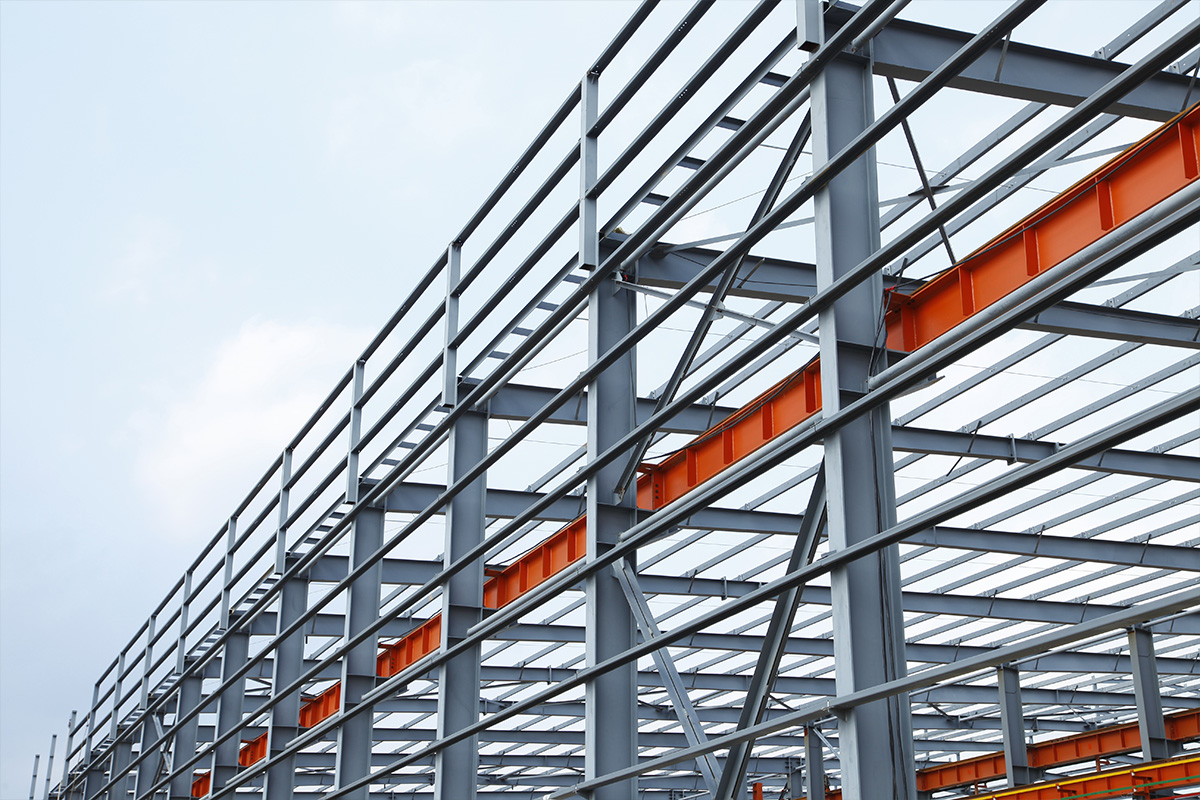
A Nottinghamshire-based structural engineering company partnered with randd to identify eligible R&D within their steelwork design and manufacturing processes. A highly respected leader in bridge…
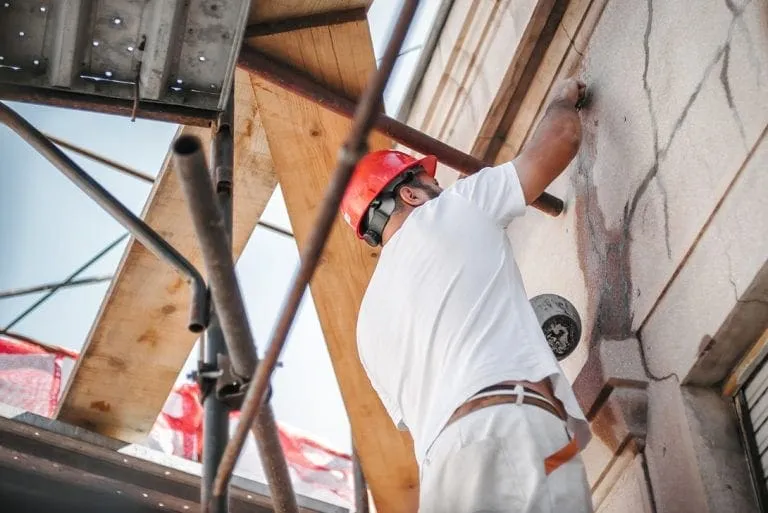
A family-run specialist restoration company based in Nottinghamshire partnered with randd to identify R&D within their building, stonework, and masonry restoration projects. With decades of…
At randd, we’ve delivered thousands of successful claims, securing hundreds of millions in R&D Tax Relief across construction, engineering, property development, and architecture. Every submission is prepared using a structured, evidence-led methodology designed to align with current HMRC expectations and reduce enquiry risk.
Our multi-disciplinary team of tax, finance, and technical professionals also offers free, no-obligation healthchecks on rejected claims, HMRC enquiries, or existing submissions that could have been more rewarding.
How do R&D Tax Credits benefit construction businesses?
R&D Tax Credits for construction businesses can provide Corporation Tax Relief, reducing your annual tax bill or providing a payable credit that can be reinvested into future projects. Whether you own a construction or architecture firm, the scheme could help support continued innovation while maintaining compliance with HMRC requirements.
Can architects claim R&D Tax Credits?
Yes – R&D Tax Credits for architects are available where their work involves resolving a technical uncertainty in structural design, materials selection, or compliance-driven development. Eligibility depends on meeting HMRC’s definition of R&D activity.
What costs can be included in a construction R&D claim?
Eligible costs for a construction R&D Tax Credits claim may include:
Yes – as long as they are directly involved in resolving technical challenges in design, materials, or construction methodology, property developers could be eligible to make a claim for R&D Tax Credits for construction.
How long does it take to claim R&D Tax Credits for construction or architecture?
6-8 weeks is the typical benchmark for R&D Tax Claims in most industries. However, timelines can vary hugely depending on claim complexity and HMRC review processes. At randd, our specialists work to help you secure the relief you’re entitled to as efficiently as possible.





 Read more: Structural Engineering Firm